Hell Torture (2023)
Plot: the souls of sinners are tortured in Hell for eternity.
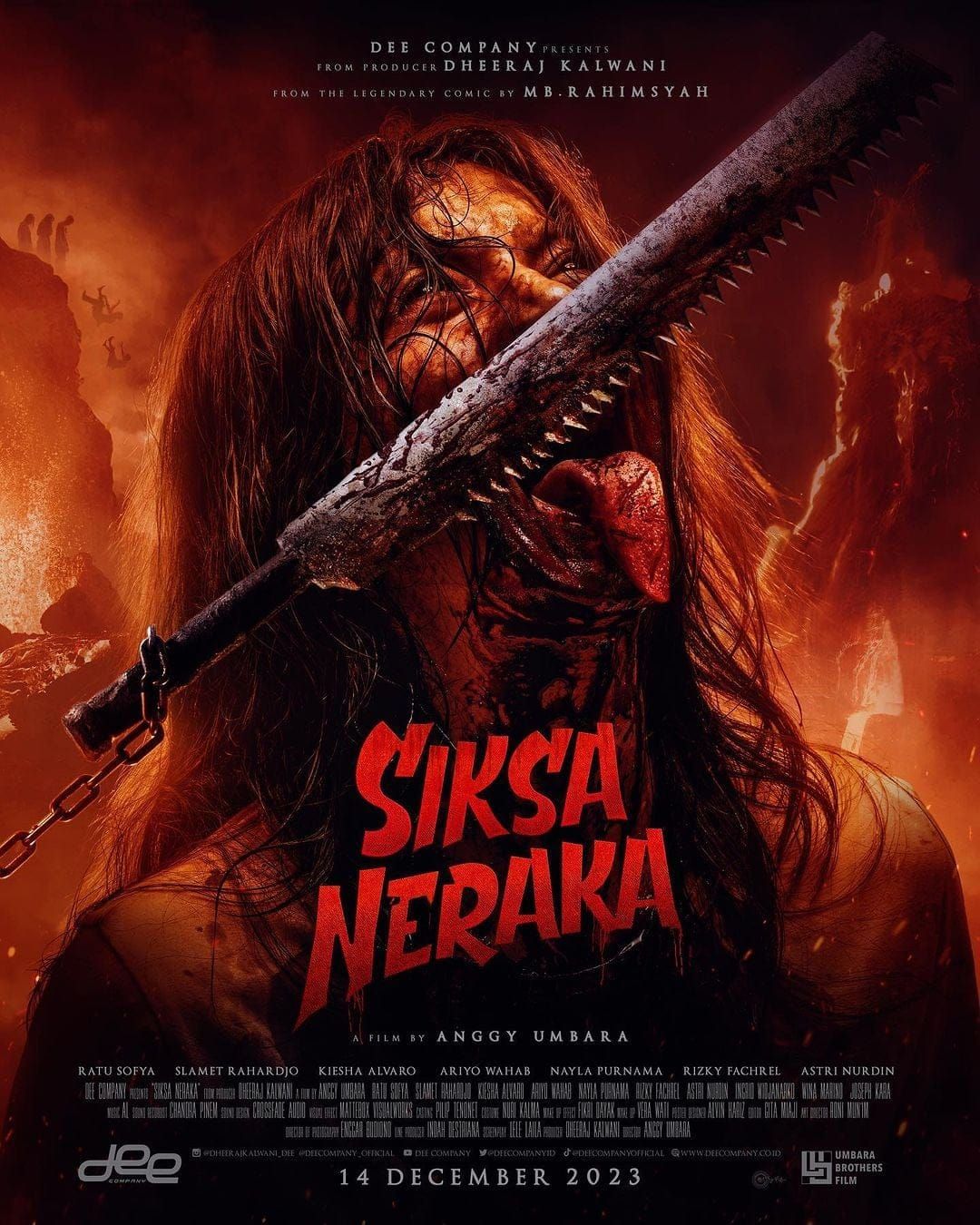
After the international success of Suzzanna: Buried Alive (2018) Anggy Umbara hasn’t exactly been resting on his laurels. In between the horrors that he’s famous for he has dabbled in comedy, drama, and romance. Siksa Neraka (or Hell Torture, internationally) was an unexpected surprise of sorts as it upholds the beloved (and decades old) Indonesian tradition of reproducing foreign properties for the domestic market. Hell Torture (in case the title wasn’t enough of a dead giveaway) is Umbara’s faithful reimagining of Nobuo Nakagawa’s classic Japanese horror epic Hell 地獄 (1960), Tatsumi Kumashiro's grotesquely over-the-top remake Hell 地獄 (1979) and, another twenty years removed from that, Teruo Ishii’s splattery special effects extravaganza Hell 地獄 (1999). Hell Torture comes sporting gruesome promotional poster art worthy of a high-budget death metal album and was released less than three weeks after Guntur Soeharjanto’s own take on classic J-horror The Haunted Hotel (2023). Suffice to say, Hell Torture became the highest-grossing movie of 2023 at the Indonesian box office. In January 2024 it was banned in Malaysia and Brunei for its graphic violence and depictions of Hell. Regardless, Indonesia remains a horror force to be reckoned with.
While not produced by either Ram or Rocky Soraya and not abiding by the Suzzanna New Generation rules of casting Hell Torture isn’t short of contemporary superstars. Hell Torture was written by the prolific Lele Laila and allegedly based on the comic by M. B. Rahimsyah. Laila wrote Possession: Possessed (2024) for Razka Robby Ertanto which was an Indonesian remake of Andrzej Żuławski's Possession (1981) with a strong Muslim bend. Despite having its origin in a popular comic Hell Torture makes no reservations about being an Indonesian reproduction of Hell 地獄 (1960, 1979, and 1999). The cast is as attractive as you’d expect and anchored by one or two pillars of cinema. Safira Ratu Sofya was a model and television actress that worked with Umbara before on the Groundhog Day (1993) variant Be Patient, This Is A Test (2020). Nayla D. Purnama is a popular YouTuber and singer with some background in television. Ariyo Wahab is the founder and frontman of popular rock/pop group The Dance Company and previously State of Groove and Glasses (which later became Ungu). Astri Nurdin worked as a model prior to becoming an actress. Nurdin usually can be seen in realist social - and nationalist dramas and famously starred in the Red and White (2009-2011) trilogy. Slamet Rahardjo is a monument of Indonesian cinema having starred in many comedies (romantic, historic, and otherwise) and nationalist dramas from director Teguh Karya and was often paired on-screen with Christine Hakim.
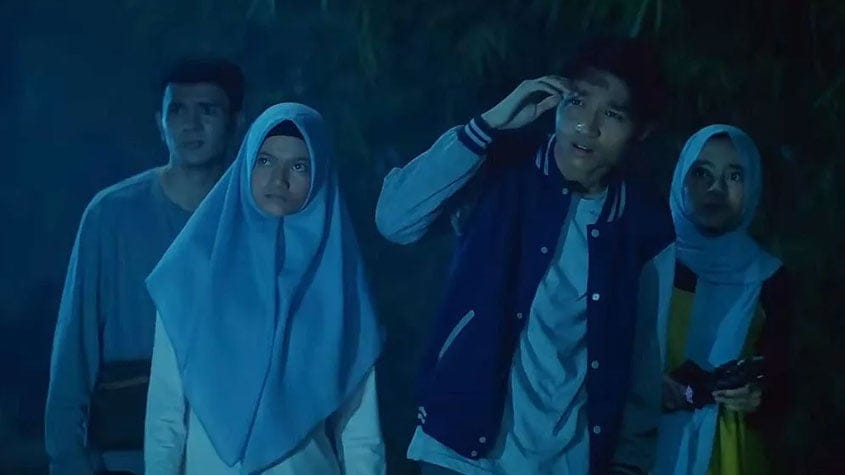
Fachruddin Saleh (Rizky Fachrel), Fajar Ramadhani (Kiesha Alvaro), Tyas Nur Fitri (Safira Ratu Sofya) and Laila Nur Azizah (Nayla Denny Purnama, as Nayla D. Purnama) are the sons and daughters of Rika (Astri Nurdin) and their strict theologian father Syakir (Ariyo Wahab). As the local ustadz (or wise man) he is someone of regional importance and the siblings are supposed to conduct themselves reflective their father’s dual role as family patriarch and village elder. Syakir has tried his best to instill his children with a strong faith and the virtues of a traditional Islamic upbringing. As is expected of their adolescent age Saleh, Fajar, and Azizah all fall short (in bigger and smaller ways) of that ideal that their father wants for them and each has shown defiance in their own way. Tyas is the odd woman out because she’s neither the most academically impressive nor conventionally attractive. She’s very pious and responsible for her age, but due to the pressures of her father’s dual role as the family partriarch and community gatekeeper she never is able to win his approval no matter how hard she tries. That evening the family learns of the suicide of Azizah’s friend Dini (Bella Novita) and the funeral that will be held for her. Their parents will attend the service to express their condolences but the siblings each invent an excuse not to go. Under the cloak of night and under heavy rain the four decide to cross the river into the capital and are summarily killed as they are swept by a strong current. In the afterlife Saleh, Fajar, Azizah, and Tyas find themselves on the shores of Hell. Will they have to endure the law of burning for all eternity or can their souls be purified and go to Heaven?
In José Mojica Marins’ This Night I'll Possess Your Corpse (1967) there’s a scene where Coffin Joe descends into a nebulous Mario Bava-esque palette of fire, smoke, and bodies – broken, contorted, and agonized - strewn across a charred domain full of burning pits and rivers of fire and blood. To say that Ishii’s vision hell of bore a striking resemblance to that Coffin Joe would be putting it mildly. To his everlasting credit Umbara stays faithful to the Japanese archetype (which isn’t strange since the Buddhist, Hinduist, and Islamic concept of Hell are largely similar). As such the regions of Batih and Hayn and their respective forms of hellish torment both are depicted in stunning accuracy with the holy scriptures. Not to be too pedantic about it but Jahannam (جهنم) or it's Japanese Buddhist equivalent of Jigoku (地獄) which is colloquially referred to as Hell but is actually more of what in Christian mythology is considered the in-between, or purgatory, where souls of evildoers are brutally punished and tortured for an incomprehensibly long time for their Earthly sins. All of this is remarkably similar to the Christian concept of Hell as a realm of fire and brimstone complete with rivers of fire and blood. Some things are just universal. In an interesting twist the tortures of hell are not carried out by monstrous ogres presided over by an ultimate overlord like in either of the Japanese originals but someone else – which, admittedly, puts a new spin on an old formula. This isn’t so much a voyage through the various layers of Hell like the Japanese originals but rather a visit to the most important parts of it.
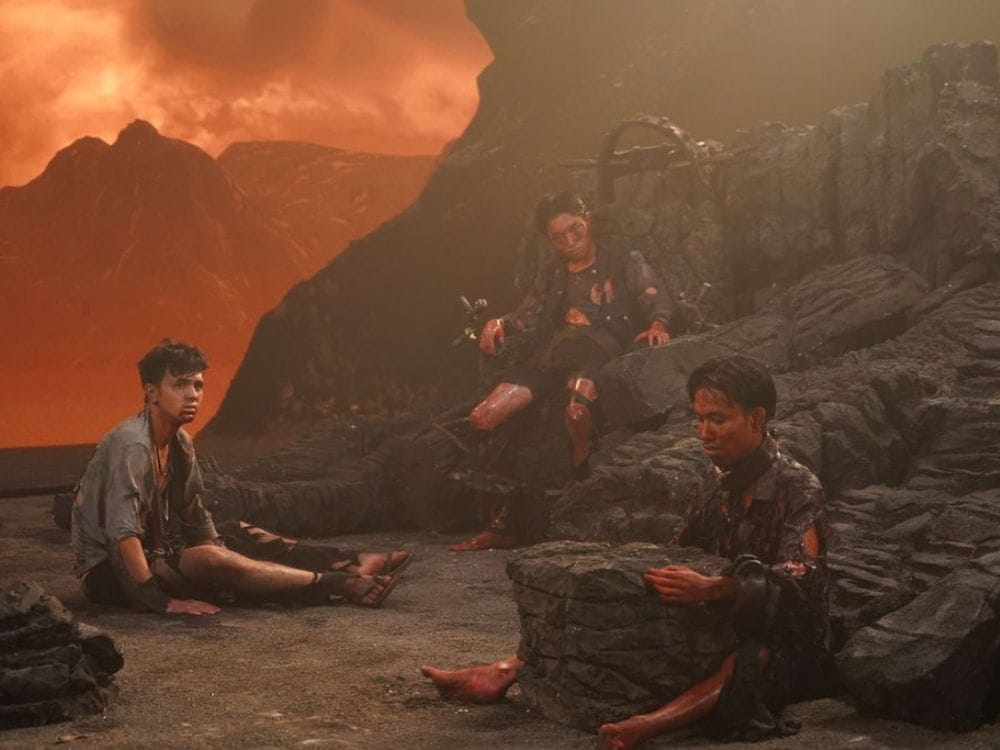
Unbelievable as it may sound as a regional reproduction Hell Torture actually manages to do justice to the trio of legendary Japanese originals. Structurally Hell Torture is incredibly faithful to its Japanese forebears. Story – and character-wise it treads the same ground and as with the Japanese originals they really serve as a build-up to the grotesque carnage and inhuman torture of the third act. Other than that, Hell Torture seems to be a recombinant of the best parts from 1960, 1979, and 1999 versions. First and foremost, it takes the classical approach of the 1960 original and fuses in the family-oriented plotline of the 1979 version only to climax with an absolutely gorefest very much inspired by the 1999 remake.
Joko Anwar’s Grave Torture (2024) treads similar ground but focuses more on the human aspect whereas the tortures of the damned are a mere afterthought for him. Here they obviously are the focus. Both medidate on the paramount importance of religion on the individual – and societal level. As always with contemporary Indonesian horror the pious are saved and the heathenous atheists suffer grave punishment. Since this is an Indonesian horror production faith, family, and piety are paramount to Hell Torture. This isn’t something remotely exclusive to Anggy Umbara or Rocky Soraya but a feature inherent to Indonesian cinema at large for many decades. To drive the pious point home the entire thing is bookended by two quotes from the Qur’an. Allahu Akbar!
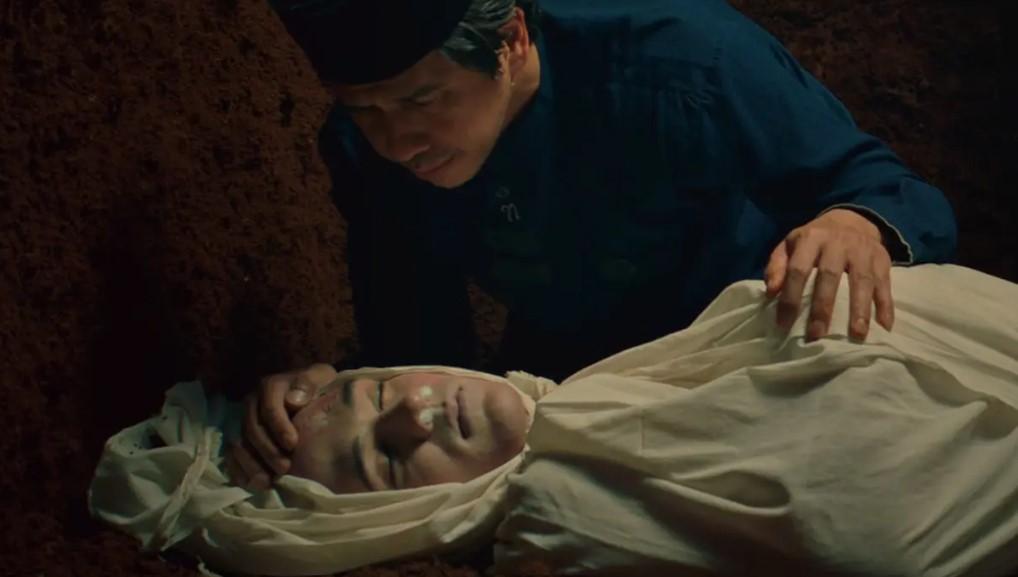
The combination of practical special effects with digital backdrops or enhancement does truly represent the vision of Hell 地獄 (1979) has looked in the contemporary age. This is the way to combine old school parlor tricks with modern innovations in computer generated imagery. Umbara uses in-camera practical effects whenever possible and realizes his vistas of the burning pits of hell with the help of green screen composites. Most of the special effects are practical but the more ambitious ones are realized digitally. Now it would be folly to expect flawless digital effects on the budget this was made on. Granted a few effects do look a bit wobbly but on the whole Anggy Umbara and his visual effects team did remarkably well under what probably were suboptimal circumstances and within set limitations. If there’s one minor point of criticism it’s that the ending would probably have benefitted from an extra twenty minutes for a coda. At 98 minutes (or an hour and 38 minutes) Hell Torture takes its sweet time setting up all its characters and when after an hour we finally arrive in Hell there’s so little time to actually do something with it. Indonesian horror as of now seems to be really infatuated with Japanese horror, so here’s hoping we may get an Indonesian riff on Tetsuo: the Iron Man (1989), Battle Royale (2000), or Suicide Club (2001).