Sinbad and the Caliph Of Baghdad (1973)
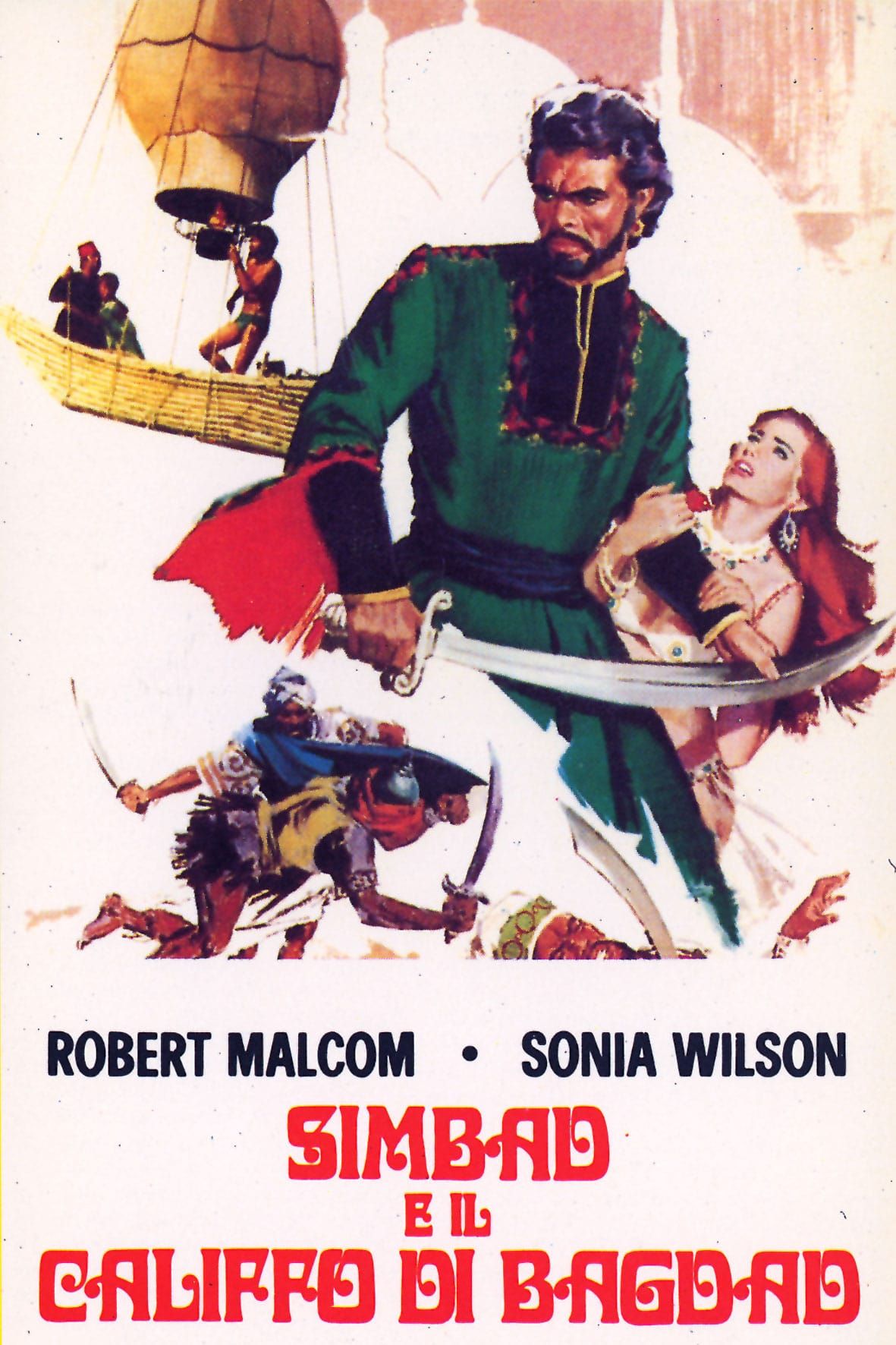
Plot: only one man can overthrow the evil caliph and rescue the young princess.
In the gothic horror revival banner year that was 1973 and amidst the giallo boom the master of pulp peplum Pietro Francisci took on the Arabian Nights with Simbad e il califfo di Bagdad (or Sinbad and the Caliph Of Baghdad.) This semi-comedic composite of various Sinbad legends was probably made in response to The Golden Voyage Of Sinbad (1973) (with John Phillip Law and Caroline Munro) but somehow ended up more in the environs of 1001 Nights (1968) (with Paul Naschy and Luciana Paluzzi). Having directed Hercules (1957) and Hercules Unchained (1958) Francisci took a decidedly spectacle-free approach here. Expect no genies, sorcerers, and Mesopotamanian nights; nor any magic carpet rides, or large-scale action set pieces with stop-motion monsters. Ray Harryhausen does not dwell here. Even the belly dancing is more belly than dancing – and makes Bella Cortez seem but a distant memory. As Francisci’s swansong feature Sinbad and the Caliph Of Baghdad is a good-natured, fun-filled, none too demanding Arabian Nights romp that has its heart in the right place – even without any name-stars or a genuine pulse to speak of.
Sinbad and the Caliph Of Baghdad came at an interesting time in Italian exploitation. It more or less closed the gate on the classic peplum, although more continued to be produced despite interest waning. The gothic horror revivalist wave was cresting and the Italians were on the cusp of starting to rip off The Last House on the Left (1972), The Exorcist (1973), and Star Wars (1977) en masse and for all it was worth. Back at home in Bologna a young platinum blonde girl called Gloria Guida was about to forever change the face of Italian comedy by simply pouting, taking her top off, and twirling around that magnificently formed ass of hers. Once la Guida arrived the Italian comedy would become more exploitative with Monika (1974) and The Minor (1974). The High School Girl (1975) and Blue Jeans (1975) were edifices in exultant exaltation of la Gloria’s ass and That Malicious Age (1975) and Sins Of Youth (1975) showcased her a rebellious subversive streak. All to illustrate that Pietro Francisci was an old man who had trouble keeping up with these fast, more liberated and emancipated times. In other words, he was behind the times and Sinbad and the Caliph Of Baghdad is every bit as demure and conservative as you’d expect of a geriatric director. A little sleaze and gratuitous female nudity would have gone a long way here.
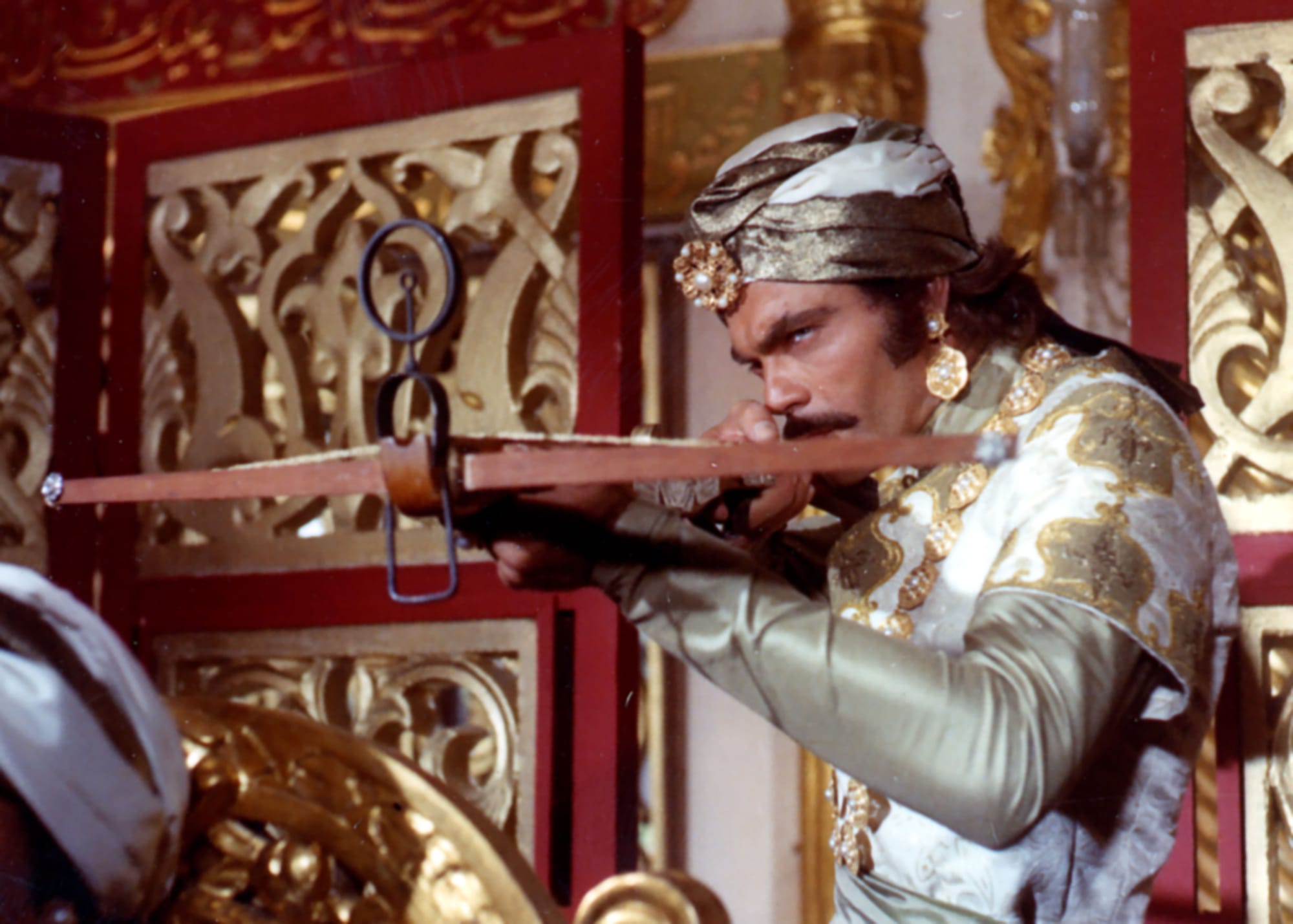
There have been troubling developments in the capital of Córdoba in Alhambra in Abbasid Caliphate. The Caliph (Robert Malcolm) has been becoming something of a liability of late. In his latest bout of insanity he has taken to hunting harem girls with his crossbow before succumbing to epileptic seizures. Senior minister Hassem (Spartaco Conversi) and the commander of the guard (Franco Fantasia) fear that a coup is imminent with the Caliph’s declining mental state and the ambitious and megalomaniacal Vizier (Arturo Dominici) scheming. One thing is certain: something must be done. Returning to Baghdad after a two-year voyage at sea Sinbad (Robert Malcolm) is dismayed to learn that his adoptive father has died and that his house is being foreclosed due to back taxes. Effectively homeless Sinbad is left with half a parchment and instructions to find the other half and “the large safe”. On the streets he’s befriended by small-time crooks Firùz (Luigi Bonos) and Bamàn (Leo Valeriano) who take him to the local tavern and sell him as a slave to a captain (Paul Oxon). The captain decides that now is as good a time as any to collect the crooks’ outstanding debts landing himself three slaves instead of just one. The three work on the ship until a small boat brings aboard several maidens for the harem. The most prized among them Sherazade, crown princess of Bahrain (Sonia Wilson), who’s arranged to marry the Caliph. Sinbad drugs flamboyantly gay eneuch Zenebi (Eugene Walter) and insinuates himself into Sherazade’s private chambers. Once discovered Sinbad and the crooks are summarily sentenced to death for invading upon the princess’ personal space, but she grants them clemency and has them set adrift across the open sea…
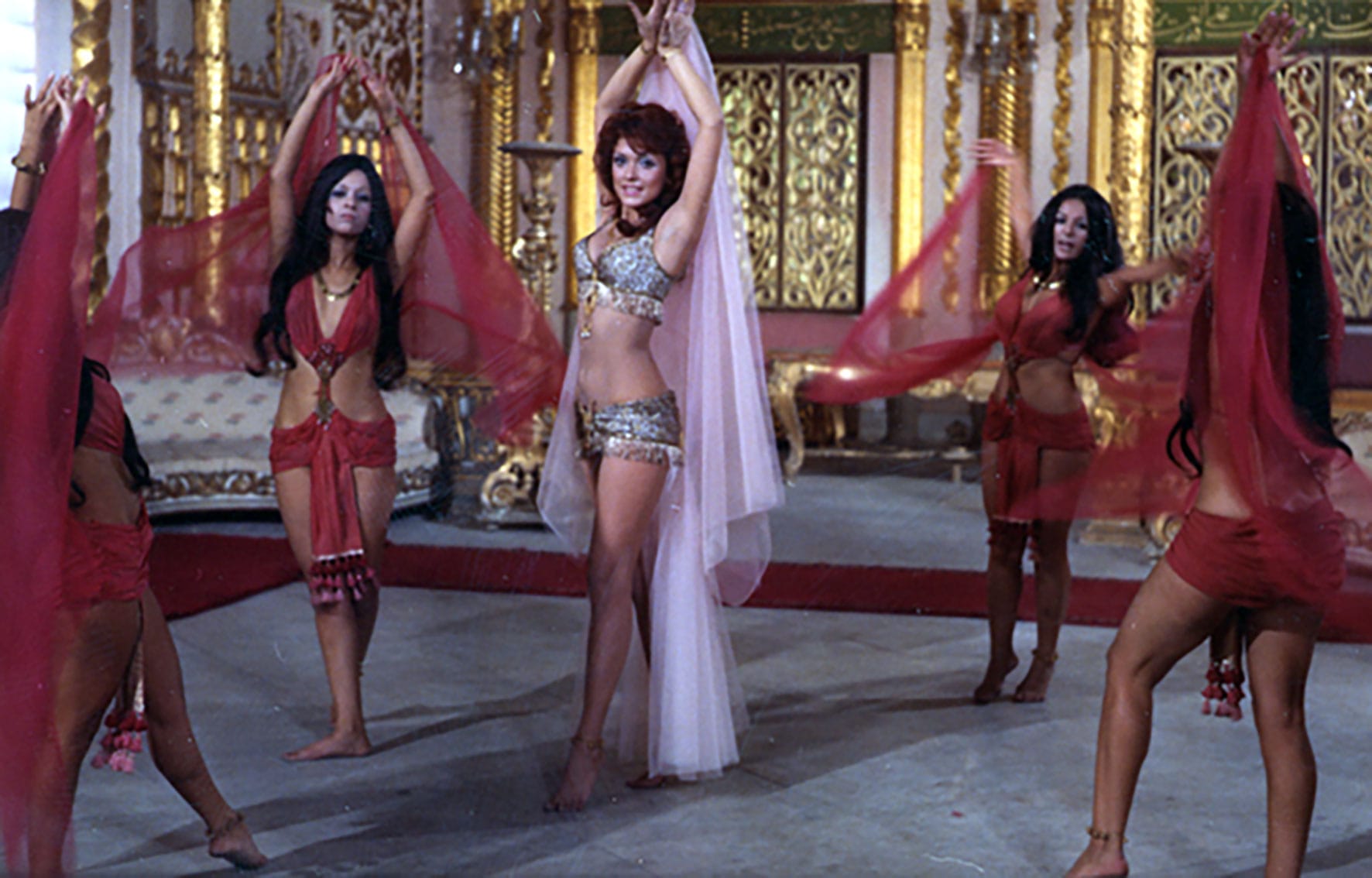
Eventually Sinbad and the crooks make landfall on a barren island. After examining strange rock formations they happen upon the cadavers of a galley of chained slaves and, more importantly, a wrecked Chinese trade ship containing bombs and a hot air balloon. They collect as much bombs as they can carry and set course for Baghdad. In the city the three men use their newly-acquired fortune to improve their lot in life. Sinbad has a shave at the bazaar where he attracts the attention of Hassem and the commander of the guard. At a slave auction the senior minister has Sinbad wearing identical clothes to the Caliph and a group of revolutionary insurgents take him (and not the Caliph) back to the palace. There Sinbad and the crooks find the hidden treasure vault containing the second half of the parchment. It’s revealed that Sinbad is the Caliph’s long-lost twin brother as the two were separated at birth to avoid political complications. As the Caliph watches Sherazade performing a sultry dance the evil Vizier declares he’s assuming power – but is immediately struck down by an arrow. In the throne room Sinbad and the Caliph of Baghdad duke it out in a sword duel. Having disposed of the Caliph Sinbad, acting as regent pro tempore, declares that someone righteous should govern. As the sun sets Sinbad, now a wealthy nobleman by parentage, rides off to exciting new adventures with Sherazade by his side.
To say that Robert Malcolm and Sonia Wilson could charitably be called nobodies would be putting it mildly. Why these two? Malcolm had a long career that started right after World War II and spent his twilight years in Italy. He had done a spaghetti western prior and would do an action-comedy after and Wilson had a guest role in the television series I Spy (1955-1956) almost twenty years prior. Ray Lovelock, Tony Kendall, Mark Damon, Giuseppe Pambieri, or even Corrado Pani would have been a better fit. The same goes for Wilson whose role could have easily been played by Dagmar Lassander, Erika Blanc, Nieves Navarro, Femi Benussi, Silvia Tortosa, Betsabé Ruiz, or Rosanna Yanni. The supporting cast includes peplum and spaghetti western regular Arturo Dominici, known around these parts for his appearances in Hercules (1957), The Mask Of Satan (1960), Caltiki, the Immortal Monster (1960), and Castle Of Blood (1964).
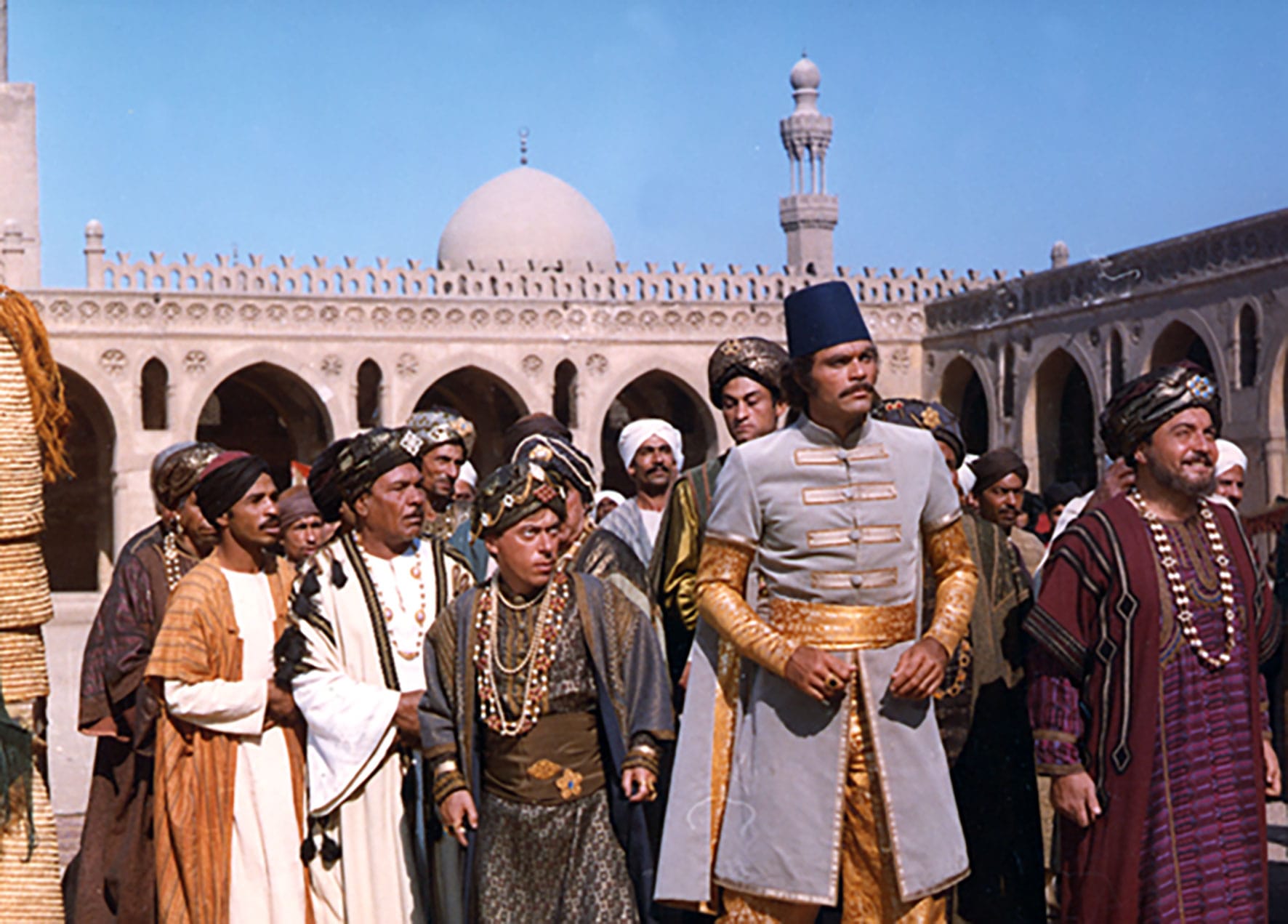
Franco Fantasia was another pillar of Italian exploitation with a resumé including Seven Blood-Stained Orchids (1972), Mountain Of the Cannibal God (1978), Zombie (1979), and Hands Of Steel (1986). Luigi Bonos was a mainstay in spaghetti westerns, Eurospy, as well as German and Italian comedy. Leo Valeriano had debuted in Secret Confessions in a Cloistered Convent (1972) and would mostly be active in comedy. Hidden among the supporting players is screenwriter Gianfranco Clerici (as Mark Davis) in a role of no real importance. Clerici would become one of the more prolific Italian scribes of the seventies and eighties. He had written Samoa, Queen of the Jungle (1968), Tarzana, the Wild Girl (1969), The Bloodstained Butterfly (1971), and Don’t Torture A Duckling (1972) and would go on to write, among many others, Man From Deep River (1972), Emanuelle Around the World (1977), Cannibal Holocaust (1980), The House at the Edge of the Park (1980), and The New York Ripper (1982).
1001 Nights (1990) (with Catherine Zeta-Jones) had no big Ray Harryhausen setpieces either, but at least it had the good fortune of being sexier and funnier when and where it mattered. Sinbad and the Caliph Of Baghdad often feels a good decade older than it actually is, and for a post-1968 peplum to be this chaste and modest is nearly criminal in view of the more permissive social mores of the day. Perhaps Francisci’s age was starting to catch up with him but in the decade of giallo, of Spanish fantaterror, and of erotic gothic horror Sinbad and the Caliph Of Baghdad comes across as hopelessly antiquated. How strange it must have been to see this in 1973 when even the embers of this genre were dying. This, along Terence Young’s The Amazons (1973) and Alfonso Brescia’s Battle Of the Amazons (1973), were among the very last of their kind. Something like this couldn’t possibly appeal to audiences enraptured and numbed by gialli, poliziotteschi, and the emergent cannibal atrocity features that were prevalent at this point. Pietro Francisci was a master technician and his contributes to the peplum cannot be understated. While Sinbad and the Caliph Of Baghdad is uncontestably beautiful to look at and expertly made, it’s forgotten for a reason. Had Francisci leaned in harder on the comedy perhaps this could have amounted to something. Unfortunately, that’s not the case and with two charmless leads there’s only so little a director can do. Sinbad and the Caliph Of Baghdad is decent for what it is, but nothing more. It’s faint praise that it never reaches the impoverished depths of Emimmo Salvi's decrepit Sinbad and the Seven Saracens (1964), but that at least had Bella Cortez.