The She-Wolf (1965)
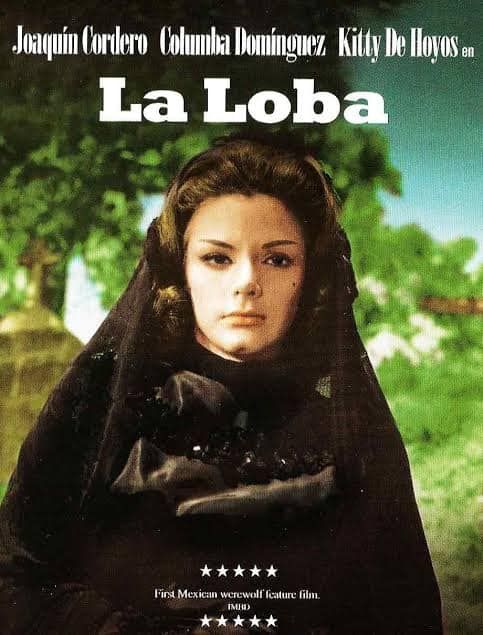
Plot: disgraced scientists feverishly attempts to cure family malady.
La Loba (or The She-Wolf, and Los Horrores del Bosque Negro, or The Horrors Of the Black Forest, in some markets, para aquellos que no hablan español) is a little monochrome horror film that’s more significant than it probably is given credit for. Not only is it one of those rare instances where a story is driven by its female characters (who usually are subservient love interests or passive bystanders, or both in this genre), and it was surprisingly risqué for the decade it was made in. To make things even better The She-Wolf has not only the distinction of being the first Méxican werewolf horror, it got there earlier than the usually innovating Italians at that. As far as we’re concerned The She-Wolf continues to be vastly underappreciated for what it did when it did it.
Rafael Baledón was a master technician who did everything from monster movies to westerns, martial arts to dopey comedies and realist drama. In other words he was a versatile workhorse who filmed undemanding entertainment for the masses. He had an affinity for horror and was responsible for titles as Swamp of the Lost Monster (1957), The Man and the Monster (1959), Orlak, the Hell of Frankenstein (1960), and the classic ghost horror The Curse of the Crying Woman (1963) as well as the more kitschy Museum Of Horror (1964) that a decade later was remade in America as Terror in the Wax Museum (1973). Baledón often worked in concert with Costa Rican-born writer Ramón Obón. In the late 1950s he became a fixture in Méxican horror churning out scripts almost on an assembly line and, to make a comparison to the Italians, on the Piero Regnoli model. Obón could be counted upon to deliver filmable scripts in a timely manner on whatever was popular and what producers required. Obón wrote, among many others, The Vampire (1957) and its sequel The Vampire's Coffin (1958) as well as Black Pit of Dr. M (1959). The same year he would also write 100 Cries of Terror (1965) and The Empire of Dracula (1967). He was the man behind LWO favourites Perverse Doll (1969), Madame Death (1969), and Terror and Black Lace (1985).
For The She-Wolf Baledón looked towards the Hammer horrors of the day and the Universal Monster classics that preceded them. The micro-ensemble cast is a mix of young starlets and experienced veterans. First and foremost there’s Kitty de Hoyos for whom this way something out of character as she typically was cast in comedies and drama. Later in the year she would star in Adventure at the Center of the Earth (1965) (which despite the familiar sounding title wasn’t a Jules Verne adaptation). Adriana Roel had more of a footing in cult – and fringe cinema at this point with roles in Planetary Giants (1966) and its better known sequel Planet Of the Female Invaders (1966), as well as A Woman Possessed (1968) (where she was headlined over by Argentinian platinum blonde import Libertad Leblanc), and the triumph in blasphemy Alucarda (1977), among many others. Roel was a genuine pillar of Méxican horror – and weird cinema whereas de Hoyos was not. Columba Domínguez was one of the crucial figures of the Golden Age of Méxican cinema. Domínguez' early career was shepherded by Emilio Fernández but she got the chance to work with the likes of Luis Buñuel, Ismael Rodríguez, and Luis Alcoriza. She had worked with Baledón the year before on The Shadow of the Children (1964). Columba made history for being one of the earliest doing nude scenes in domestic cinema with Naked Virtue (1956).
Also on hand is consummate leading man of the day Joaquín Cordero, known around these parts for the noir The Marked Woman (1957), Perverse Doll (1969), and The Book Of Stone (1969). In the twilight years of his career he could be seen in Vacation Of Terror (1989) and its 1993 sequel. Then there are Roberto Cañedo from Perverse Doll (1969) (where he co-starred alongside Cordero), and twenty years hence, Rubén Galindo Jr.’s Grave Robbers (1989); Noé Murayama from The Infernal Rapist (1988), and Hortensia Santoveña from the American western Two Mules for Sister Sara (1970) (with Clint Eastwood) and Poison For the Fairies (1986). To make most of what was available this was apparently filmed in close proximity to Adventure at the Center of the Earth (1965) with producer Jesús Sotomayor Martínez retaining the services of Kitty de Hoyos, José Elías Moreno, Columba Domínguez, and Ramón Bugarini, as well as director of photography Raúl Martínez Solares and composer Raúl Lavista but with José María Fernández Unsáin writing and Alfredo B. Crevenna directing. Location filming at the Grutas de Cacahuamilpa (Cacahuamilpa Caverns) near the borders between the states of Morelos and Guerrero helped too, no doubt. Adventure at the Center of the Earth (1965) might not be very well remembered today (if it is at all) were it not that it was two years later remade in Spain as Sound of Horror (1967) (with Soledad Miranda and Ingrid Pitt) and much later in North America it was remade a second time (even more loosely) by self-proclaimed schlockmeister Larry Buchanan as the imminently preposterous It’s Alive (1965) (supposedly a Richard Matheson adaptation, it alleges). Strange how a little Méxican fright film mpacted fringe cinema on both sides of the Atlantic.
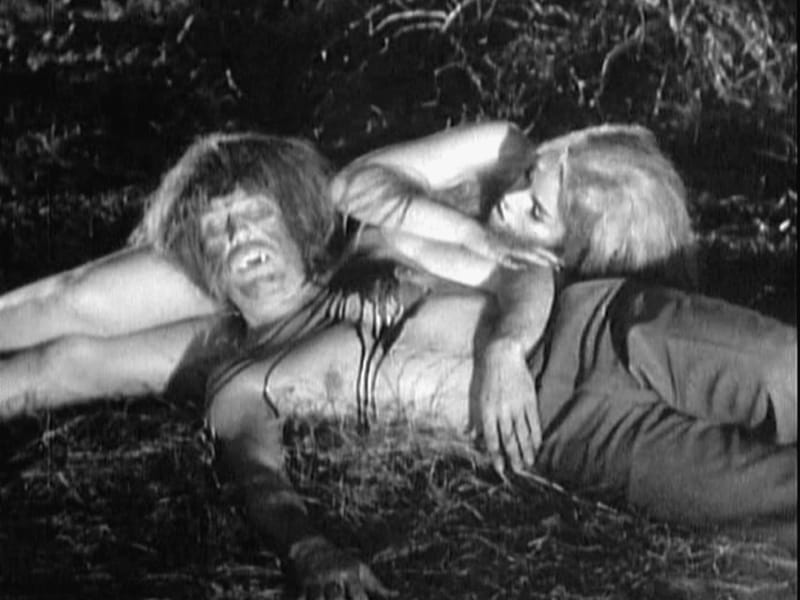
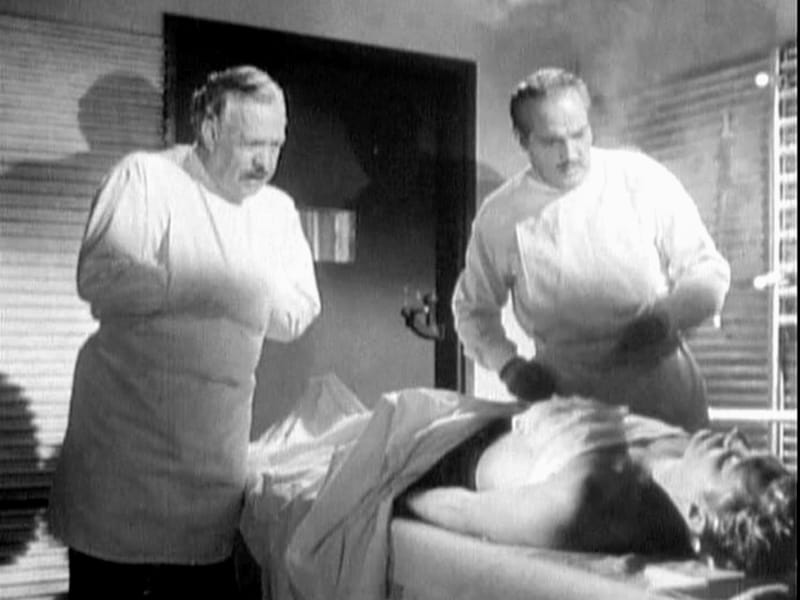
Reclusive professor Fernández (José Elías Moreno) has dedicated his life to scientific research and to that end has taken up residence in an opulent hacienda in a remote town deep in the Méxican hinterland. Clarisa (Kitty de Hoyos) and her older sister Alicia (Adriana Roel) feel like prisoners in their own home as the pater familias strictly and vehemently forbids any and all contact with the outside world, especially during nights of the full moon, on some vague moral grounds. Their mother Marcela de Fernández (Columba Domínguez) assures them of their father’s good intentions. Also part of the household are muscle-bound administrator/valet Crumba (Crox Alvarado) and senior aged housekeeper (Hortensia Santoveña) and her (adopted?) hearing impaired mute daughter Adelita (Judith Dupeyrón). One day Dr. Alejandro Bernstein (Joaquín Cordero) arrives at the hacienda wishing to further his science studies under the mentorship of the professor. In truth Bernstein has come to ask the hand of Clarisa. When Bernstein breaches Fernández’ laboratory he forces the old patriarch to divulge that the bloodline is cursed with the malady of lycanthropy. When torn and disemboweled bodies start turning up around town the police commissioner (Jorge Russek) dispatches his inspector (Ramón Bugarini) and village physician Dr. González (Roberto Cañedo) to investigate the spate of murders. The duo bring in a wolf hunter (Noé Murayama) – but who’s responsible for the brutal slayings: man or beast?
While there’s no real way of verifying how much of an impact The She-Wolf had, this is quite progressive for its day and age. Especially in light of it coming from a country as devoutly Catholic, conservative, and patriarchal as México, and doubly so as it arrived well before the ascent of the great Women’s Liberation Movement (WLM) or second wave feminism of the late 1960s. From a structural standpoint this is similar to the olden mad science and vampire horrors before it this one is entirely female-centric and female-driven. It is as stately, regal, and majestic as you’d expect of a gothic horror of this decade and it’s generally closer to The Blood Drinkers (1964) than to Italian spectacles as Nightmare Castle (1965), The Witch In Love (1966) and The Slaughter Of the Vampires (1962). Also, it has to be said, this gets surprisingly violent, bloody, and explicit - especially for the time.
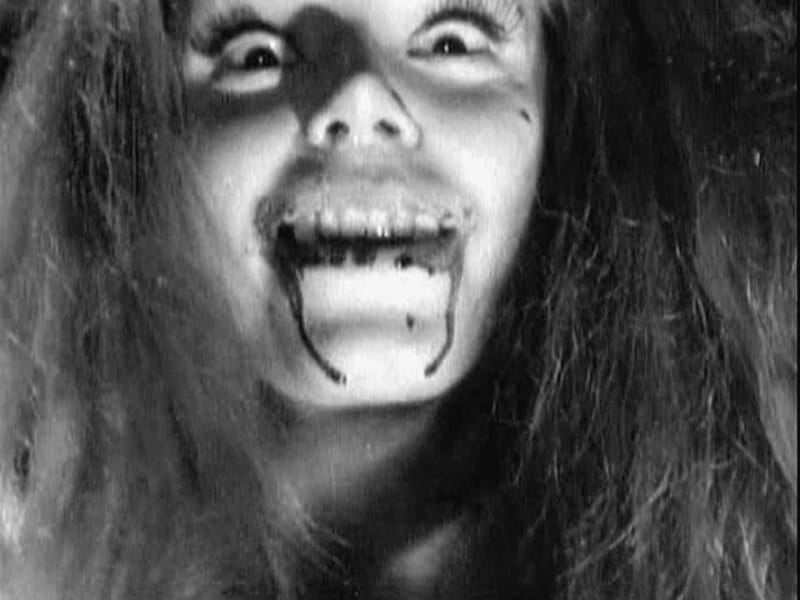
The special effects and timelapse photograpy transformation from Antonio Muñoz Ravelo are pretty good for the time, even if they get a bit flaky and wobbly at times. The director of photography Raúl Martínez Solares is not afraid to get artsy and experimental with a few choice scenes making this one ahead of the times in its more adventurous moments. Despite all this The She-Wolf is still firmly entrenched in the traditions of the old guard of Méxican horror. It wouldn’t be until writer/director Carlos Enrique Taboada revolutionized terror gótico sobrenatural mexicana with his cursed pentalogy - or Even the Wind Is Afraid (1968), Drifter In the Rain (1968), The Book Of Stone (1969) followed later by Blacker Than the Night (1975), and Poison For the Fairies (1986) – by firmly grounding it in reality. The She-Wolf is fairly modern for its day and not kitschy or silly in the way horror from the decade prior sometimes was. Méxican horror was slowly, but surely, evolving. Gone was the kitsch, in with the majesty.
It’s safe to assume that The She-Wolf is as impressive as it is considering that the gothic horror had a far longer history in México than it had in Spain. In México its roots could be traced all the way back to The Phantom of the Monastery (1934). Arguably the subgenre only took off in Spain after Jesús Franco paved the way with the efficient The Awful Dr. Orlof (1962) and Paul Naschy’s earliest El Hombre Lobo outing The Mark of the Wolfman (1968) only arrived six years after that. This one preceded the latter by some three years. Moreover, it would be another six years before Fury Of the Wolfman (1972) or the only time Naschy ever used a wolfwoman in any capacity. Firmly entrenched in patronizing patriarchal thinking Italy was unusually late to the games here. The She-Wolf did what Rino Di Silvestro’s The Legend Of the Wolfman (1976) (with Annik Borel and Dagmar Lassander) would only undertake a full decade later. The only real strike against it is that the plot bears some eerie and striking resemblance to that of German gothic horror Cave Of the Living Dead (1964) from a year earlier. It only switches a few character relations around and the main character is someone different, but other than that the two are near identical plot-wise. This was probably coincidental as there’s only so many possible variations of story within an ancient gothic setting. Whatever the case, a little tends to go a long way and The She-Wolf does a lot with what by all accounts seems to be very little.